Quebec Spring Outlook: A Long and Winding Road to Summer with Above-Normal Rain and Near-Normal Temperatures
As winter grudgingly releases its grip, residents across Quebec are eagerly anticipating the warmth and vibrancy of spring. However, the latest forecasts from The Weather Network (MétéoMédia) suggest that the transition to true summer conditions will be anything but swift. Meteorologists are predicting a "long and winding road," marked by above-normal precipitation, near-normal temperatures, and even the lingering possibility of snow well into spring. Understanding these patterns, crucial for planning and preparedness, is at the forefront of what the
weather network Quebec provides to its communities.
Navigating Quebec's Extended Winter: The Weather Network's Predictions
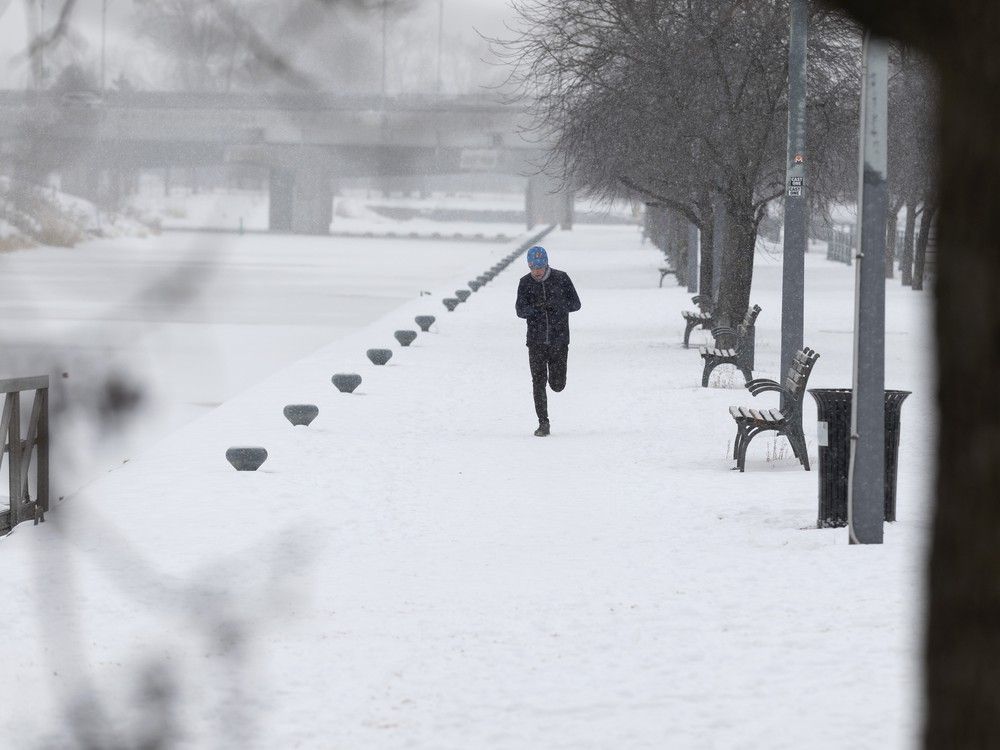
The consensus from experts like meteorologist André Monette, speaking for The Weather Network, is clear: winter isn't ready to pack its bags just yet. Across Quebec and Ontario, the journey to consistent summer weather is expected to be protracted. This means that while we might see glimpses of warmer days, they will likely be interspersed with reminders of the colder season. Expect opportunities for significant snowfall to persist through March and even into April, challenging any premature thoughts of tucking away winter gear.
This extended transition is largely influenced by a significant atmospheric shift: the anticipated dissipation of La Niña and a gradual return of El Niño conditions during the summer of 2026. For those unfamiliar, La Niña typically brings cooler, wetter conditions to parts of Canada, while El Niño often results in warmer, drier patterns. The shift between these powerful climate phenomena creates an atmospheric instability that makes spring weather particularly turbulent. As Monette explained, this transition is expected to be "laborious," setting the stage for a dynamic and unpredictable spring.
The underlying mechanism for this active weather corridor lies in the "confrontation between hot and cold." A cold anomaly in the Canadian Prairies, combined with warmth building in the southern United States, creates an active atmospheric pathway directly over Ontario and Quebec. This clash of air masses acts as a powerful engine, driving more intense weather systems and, consequently, a higher likelihood of precipitation than normal for the Great Lakes basin extending into Quebec.
A Wet Spring Ahead: Precipitation Forecasts and Flood Watch
One of the most significant takeaways from The Weather Network's spring outlook for Quebec is the strong prediction for **above-normal precipitation** across much of the province. This forecast is particularly relevant for central and southern Quebec, areas that tend to be most densely populated. While the northern and eastern regions of the province are expected to experience precipitation closer to seasonal norms, residents elsewhere should prepare for a potentially wetter spring.
The "trajectory of systems that favour" Ontario and Quebec suggests that several significant weather events are possible. Meteorologist André Monette specifically warned that "a few snowstorms are still possible in the first half of spring," meaning that those dreams of early patio season might need to be put on hold as snow shovels could make an unexpected reappearance. For a detailed dive into the anticipated conditions, you can refer to
Quebec's Spring Weather: Long, Wet Transition Predicted by The Weather Network.
With the high probability of heavy rainfall, an elevated **flood season** is something that authorities and residents alike will need to monitor closely. Monette highlighted this concern, stating, "If the snow melts quickly, it could cause flooding, so it’s something we’re monitoring, the risk at the moment is moderate." This underscores the dual threat of substantial rainfall combined with existing snowpack.
Practical Tips for a Wet Spring:
*
Clear Drains and Gutters: Ensure all eavestroughs, downspouts, and storm drains around your property are free of debris to allow for efficient water runoff.
*
Monitor Basements: If you have a basement, consider checking your sump pump's functionality and reviewing your insurance policy for flood coverage.
*
Stay Informed: Regularly check local weather advisories and flood warnings from official sources like The Weather Network and your municipal government.
*
Emergency Kit: Have a basic emergency kit ready with essential supplies in case of localized flooding or power outages.
*
Outdoor Property: Secure or move outdoor furniture and other items that could be damaged or washed away by heavy rains.
For more in-depth information on flood preparedness, especially with the predicted higher precipitation, consider reading
Quebec Flood Risk Rises: What The Weather Network Predicts This Spring.
Temperature Trends: Near-Normal with Regional Nuances
While precipitation is expected to be above average, Quebec's spring temperatures are generally forecast to be "near normal" in the coming weeks. However, this province-wide average masks some notable regional variations that residents should be aware of.
*
Western Quebec: Temperatures in the western part of the province are expected to be slightly *below normal*. This means a generally cooler start to spring for areas closer to Ontario.
*
Northern Quebec: In contrast, northern Quebec is predicted to experience *above-normal* temperatures. This could lead to an earlier start to ice melt and break-up in some northern waterways.
*
Rest of Quebec: Most other regions, including central and eastern Quebec, will likely hover around their *seasonal norms*.
It's important to remember that "near normal" in early spring often still means considerable variability. Days can swing from mild to chilly, and frost remains a real possibility well into May for many areas. The Weather Network's forecast also points to "occasional, some significant heat waves [that] will reach the Windsor-Quebec corridor, allowing for a bit of a break." However, these periods of early summer heat are expected to be "short-lived," acting as brief interludes rather than a sustained transition. This roller-coaster of temperatures underscores the dynamic nature of a Quebec spring.
Connecting with Your Local Weather: The Quebec Weather Network
Beyond the provincial and national forecasts provided by entities like MétéoMédia, there's a unique community initiative for those interested in hyper-local weather data: the Quebec Weather Network (CQWN). This grassroots network connects individuals operating personal weather stations across the province, contributing to a richer understanding of microclimates and real-time conditions.
The CQWN isn't directly affiliated with the larger commercial "The Weather Network," but rather serves as a collaborative platform for weather enthusiasts. Membership is free and provides a way for individuals with personal weather websites and stations to share their data, enriching the local weather picture for everyone. By combining official forecasts with granular data from a personal **weather network Quebec** members maintain, residents can gain a more comprehensive understanding of their immediate surroundings. This collective effort highlights the importance of local data in supplementing broader weather trends, especially during a variable spring where conditions can differ significantly from one town to the next. For those keen on contributing to or benefiting from this local data, information on membership is readily available through their "Membership Form."
Conclusion
Quebec is bracing for a spring that demands patience and preparedness. The Weather Network's outlook points to a prolonged transition to summer, characterized by above-normal rainfall, the lingering threat of snow, and temperatures generally close to seasonal averages but with regional variations. From the potential for increased flood risk due to heavy precipitation and rapid snowmelt to the occasional, fleeting moments of early summer warmth, this spring will keep residents on their toes. By staying informed through reliable sources like The Weather Network and even engaging with local initiatives like the Quebec Weather Network, communities can better navigate the "long and winding road" to the warmer, more stable days of summer. Remember to monitor local advisories, prepare your homes, and embrace the dynamic beauty of a Canadian spring, even if it comes with a few extra snowflakes or rain showers.